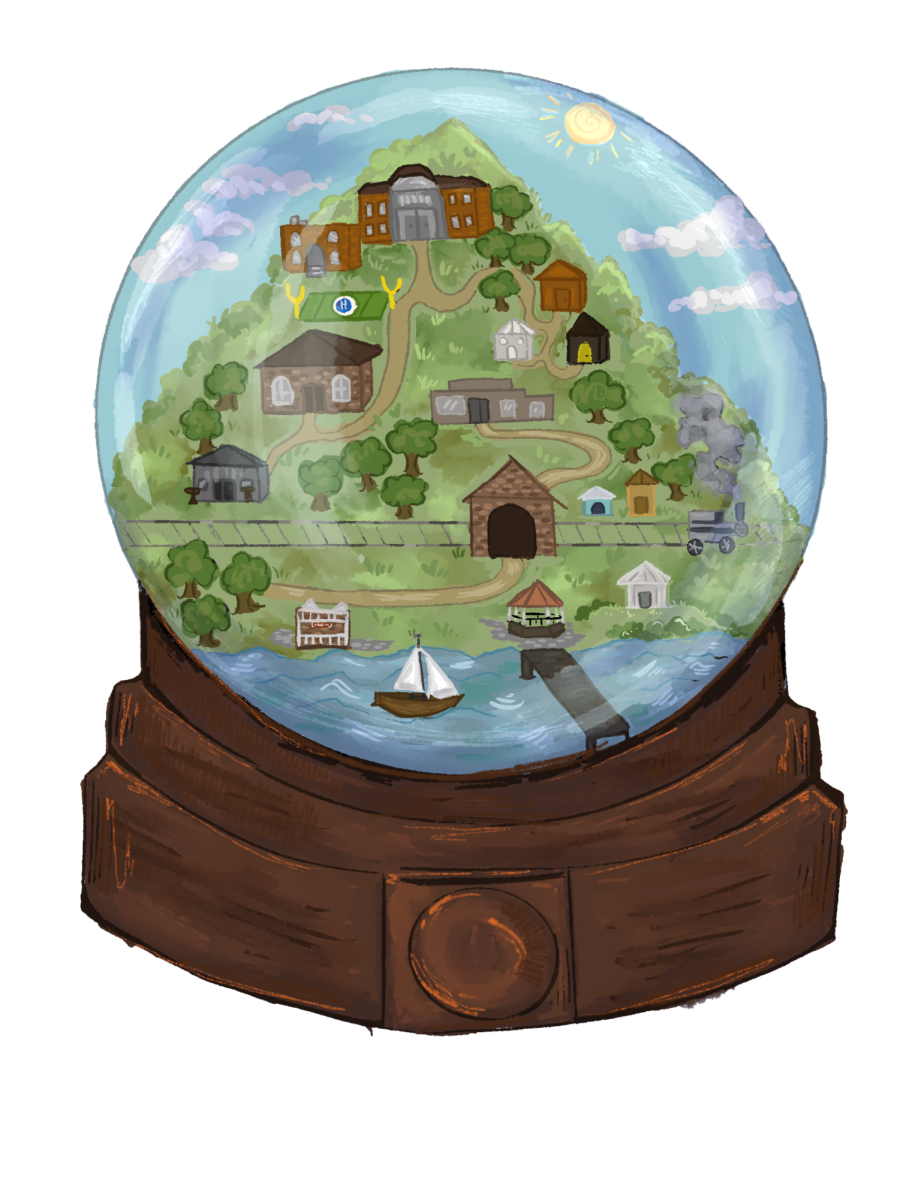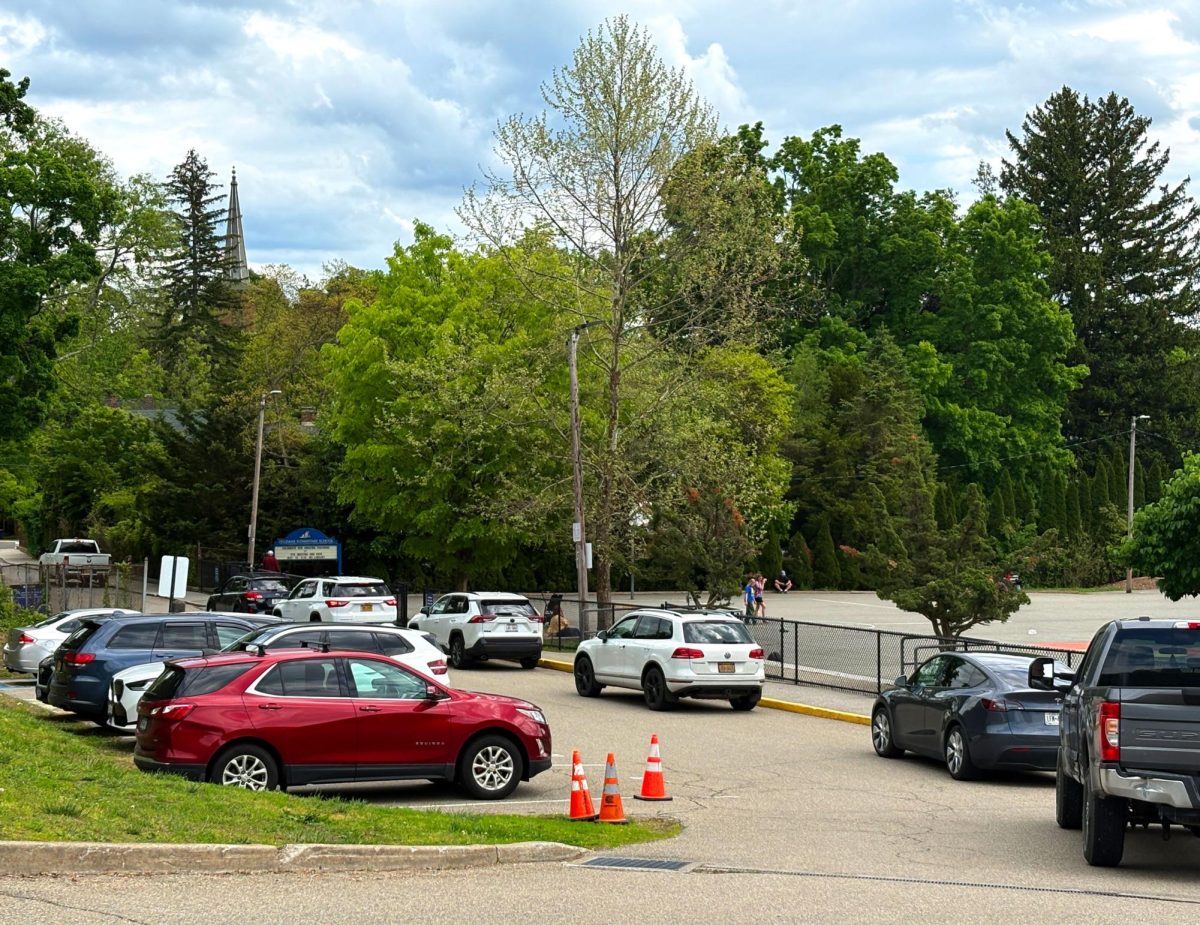



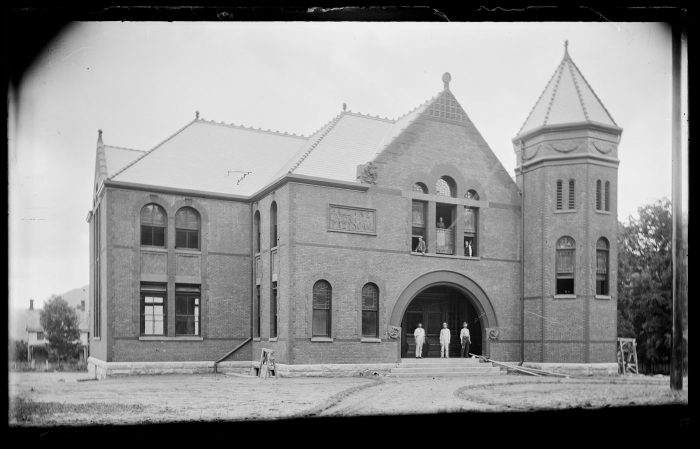
According to his graduation program, on June 28, 1900 at exactly 8:00 p.m. William P. Herrick graduated from the Haldane Union Free School, or at least his graduation promptly began. I wonder now, as a current senior at Haldane High School, if Herrick got there early and reminisced as he walked around the halls. Was he set upon by waves of nostalgia as he walked through the ornate grand arched entrance? I wonder as he gazed upon the majestic redbrick Romanesque Revival building if he remembered, like so many other Haldane graduates, when the school felt so much larger and foreboding than it actually was. In the distance perhaps he could hear the chorus rehearsing for the evening ahead, when “Flag of the Free” by Wagner and “Lullaby” by Roeckel would echo through the streets. Perhaps even Daniel and Julia Butterfield, the namesake of the Butterfield Library, in their expansive estate across the street delighted in the music. In fact Daniel Butterfield, Julia Butterfield’s husband, a decorated Union Army Major General wrote the famous song “Taps”. He would die a year later on July 17. Perhaps in his old age he cherished the Haldane Choir and Orchestra. According to Kara Mattsen, Interim Executive Director at the Putnam History Museum, The Butterfields’ Craigside Estate, now the current location of Haldane High School, was one of the most opulent and luxurious in the area. It was frequented by the Russian royal family, Indian princes and many prominent industrialists. Perhaps William P. Herrick was fascinated by the fabulous allure of this family that lived just across the street from his school. His school, which is now the beloved Tiny Tots Park.
According to John Duncan, Collections Manager at the Putnam History Museum, Haldane Union Free School opened in 1891, named after the prominent iron importer James H. Haldane, due to his generous financial contributions for the creation of the school. Before Haldane was constructed, numerous one-room schoolhouses existed throughout Cold Spring and Nelsonville. These schoolhouses remained separate due to the religious divide between the two towns. Cold Spring, which was predominantly composed of working class Catholic Irish and Italian immigrants employed at the Foundry, didn’t want to mix with the wealthier Protestant merchants and shopowners in Nelsonville. These and other factors resulted in small, one-room schoolhouses on what is now Pear Street, the North Pearl Street Trail Head, Rock Street and even at the Putnam History Museum. The property on the North Pearl Street Trailhead was subsequently purchased by the Freemasons in the 1930s and still serves as one of their clubhouses. Schools in Garrison, despite their proximity, never joined the Haldane Union Free School likely due to disparities in wealth between a working class Cold Spring and wealthy Garrison area.
Perhaps on the evening of his graduation, William P. Herrick hypothesized what the graduations from these miniscule schools were like. Maybe he commiserated with his classmate Mary Elizabeth Shea about the end of high school and the lengthy ceremony which awaited them. Over fifteen songs, polkas, waltzes, essays, recitations, and prayers would be performed before they even received their diploma. Perhaps this excess of entertainment was necessary since only four students would be graduating high school that evening. Seventeen students were also graduating from the grammar department. Only a handful would likely go on to receive their full high school diplomas.
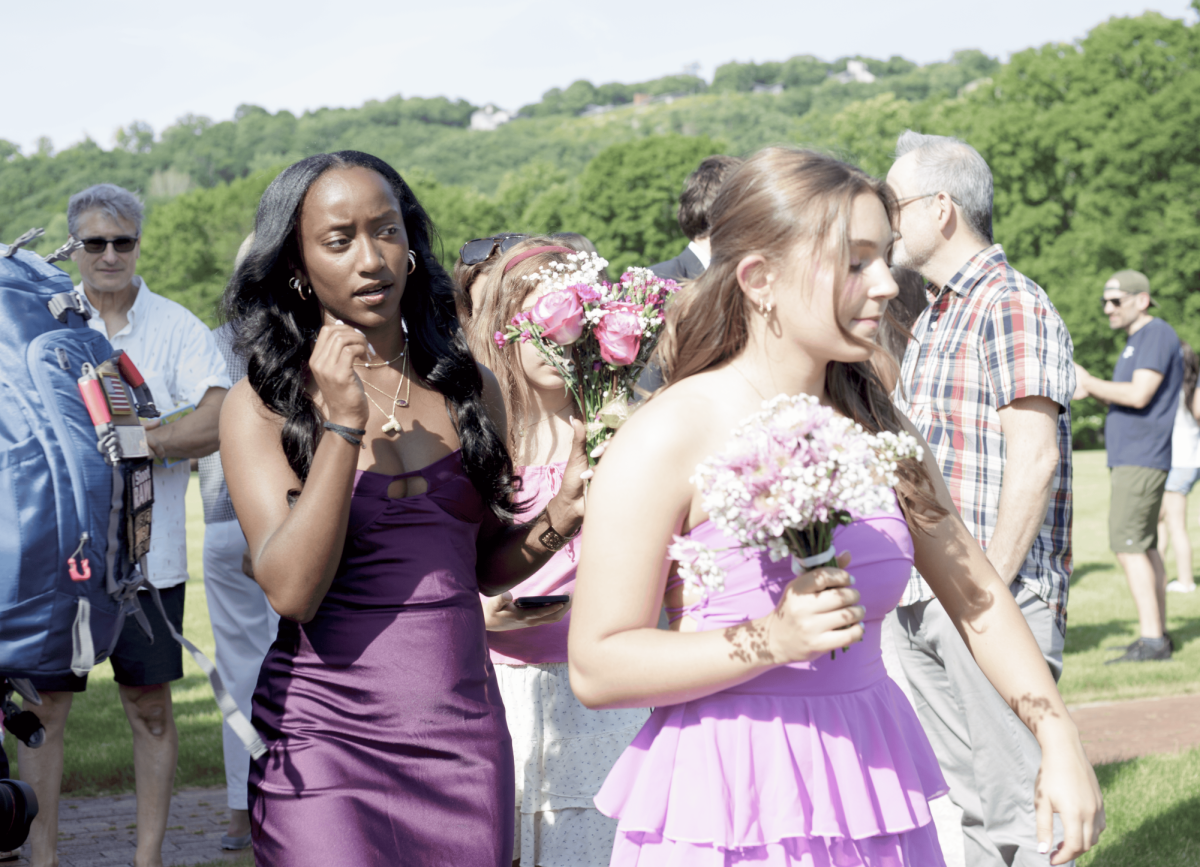
That evening Mary Elizabeth Shea had prepared an essay entitled “Step by Step”. Maybe her essay was about the grueling coursework she had endured and the tenacity she had developed during her time at Haldane. Maybe it referred to the rhetoric, ethics, latin and various books they studied –Ovid’s Metamorphosis, Homer’s Iliad and Virgil’s Aeneid, according to William P. Herrick’s regents card– or perhaps her essay was more similar to so many of our Valedictorian’s speeches, which describe the wonder and joy of attending a tiny school like Haldane for as long as thirteen years. Perhaps, as the orchestra played the triumphant “Make Way” by Laurendeau, William P. Herrick, Mary Elizabeth Shea and the two other high school seniors felt a sudden and overwhelming love for Cold Spring. The town where they grew up playing in the woods, skating across the frozen Hudson River every winter, and sneaking into Main Street saloons. The town that drove them crazy with boredom, that made them desperate to grow up, and the town that enchanted them with its ethereal and breathtaking beauty.