



Injuries happen. It’s just the reality of playing a sport. Based on a study from the National Library of Medicine, approximately ninety percent of student athletes report sustaining an injury while playing sports. Whether those injuries are season-ending or only need a week of rest and ice, injuries affect the vast majority of athletes.
Injuries come in all forms, and many athletes will experience very different injuries throughout their careers. Dr. Sara Mikulsky, a board-certified physical therapist who practices locally in Beacon, said “[Rehabilitation] exercises will vary greatly across sports depending on the demands of the sport, the amount of physical contact, and the level at which the athlete is performing.”
She elaborated and noted that the types of injuries athletes suffer from vary greatly between sports. “Contact sports, such as football or hockey, have higher volumes of traumatic injuries, like torn ligaments and fractures. Other sports, like swimming and tennis, cause more repetitive stress injuries such as tendonitis,” she said. Additionally, Mikulsky said that one of the most commonly injured areas of the body is the ankle, which junior Clara Gelber has experienced firsthand. Gelber is a multidisciplinary dancer at Ballet Arts Studio in Beacon.
In 2025, after spraining her ankle three times in the span of two weeks, which was triggered by landing incorrectly in a jump, Gelber underwent surgery to repair her ligaments. Gelber said the recovery process has been long and tedious, highlighting how one thing has greatly changed: “Physical therapy has become a huge part of my schedule and I’ve realized how necessary it is for athletes, even for ones who don’t have injuries.”
Coming back from her injury has been very difficult. Gelber recounted a specific struggle she has had to work through: frequent mental blocks. “I actually have this recurring daydream where I’m thinking about dance class, and I fall coming out of a jump, just as I did the first time I injured my ankle,” she said.
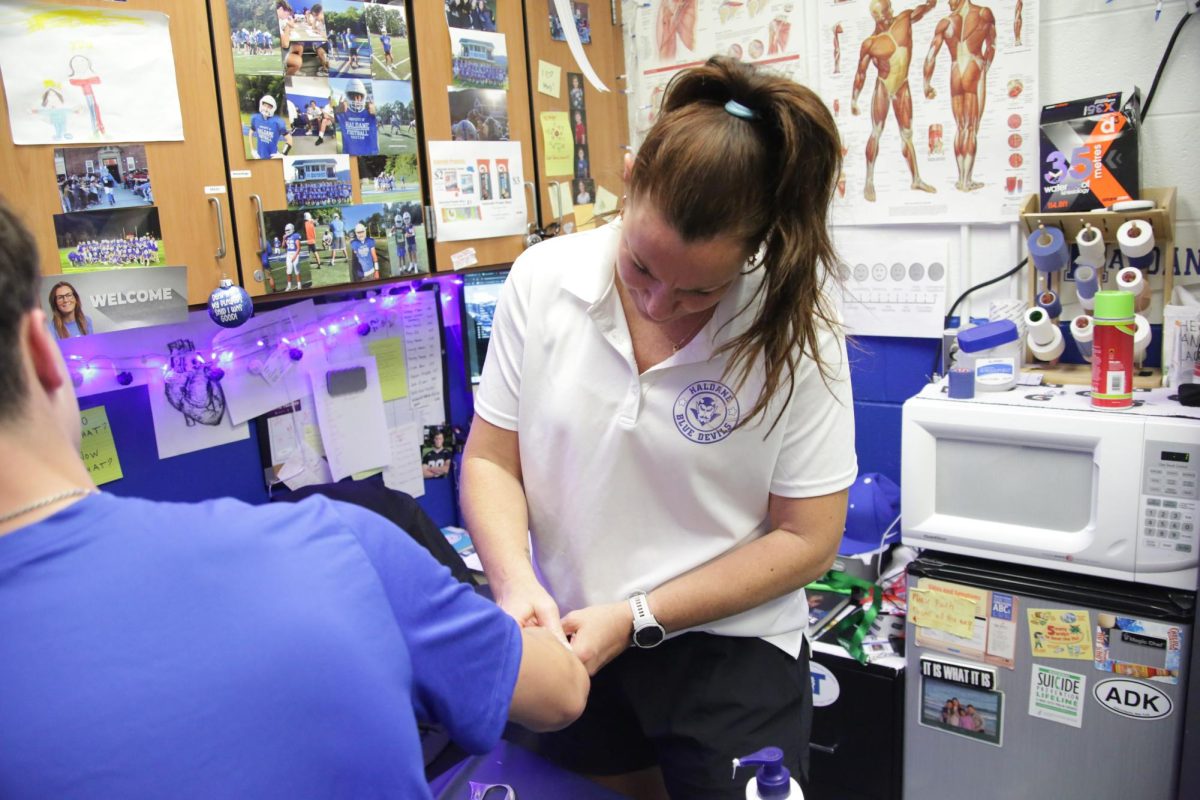
Junior Griffin Lucca also recently experienced a major setback during his soccer offseason: a torn meniscus that has required surgery and a lengthy recovery process, after previously injuring his ankle. But luckily for Lucca, Haldane Athletics has proven to have a strong support team for its athletes. When asked about how he was aided through his injuries, Lucca praised Meghan Crowe, the sole athletic trainer at Haldane. He said, “She gave me advice on what I should do to prevent reinjury, she helped me wrap my ankle every single day before practice and games, and she also helped explain to me how and when I should return.”
Crowe described her role as “the first to respond and treat the injury and then help athletes through the entire process of returning to play when they are healthy and ready.” Although she treats a large volume of students each day, Crowe manages to give every student the support they need to play at their best. Additionally, because Crowe works so closely with athletes, she has increased insight into the frequency of injuries in each sport, saying, “I have seen an increase in overuse injuries in many sports and athletes who are only training in one field.”
Crowe also noted that this year, she has seen a large increase in lateral ankle sprains and shin splints. Sophomore Charlie Robhom developed shin splints at the beginning of her freshman season of track and field, and was able to pin the cause on her switch from cross country to short-distance running. Robhom realized that she was never taught the correct form to sprint, so while running short races, she would use improper technique, leading to painful shin splints. After taking a decent amount of the season off to rest and heal, Robhom was even more motivated and said, “Obviously, they’re a major setback, but once they’re over, you can’t wait until you can get back into that grind.” Gelber shared a similar opinion and said, “Something about this injury has motivated me to prove to myself that I am mentally stronger than a physical setback and that I can have the resilience to bounce back and come back to dance stronger than ever.”
It’s difficult to find a true cause for why shin splits and many other injuries have become such a common occurrence amongst the track and field team. One athlete who chose to stay anonymous noted that the team seems to focus a great deal on stretching before running or other events, but recovery after practice or meets—like cool down laps or dynamic stretching—often fly under the radar, even though they are critical to injury prevention.
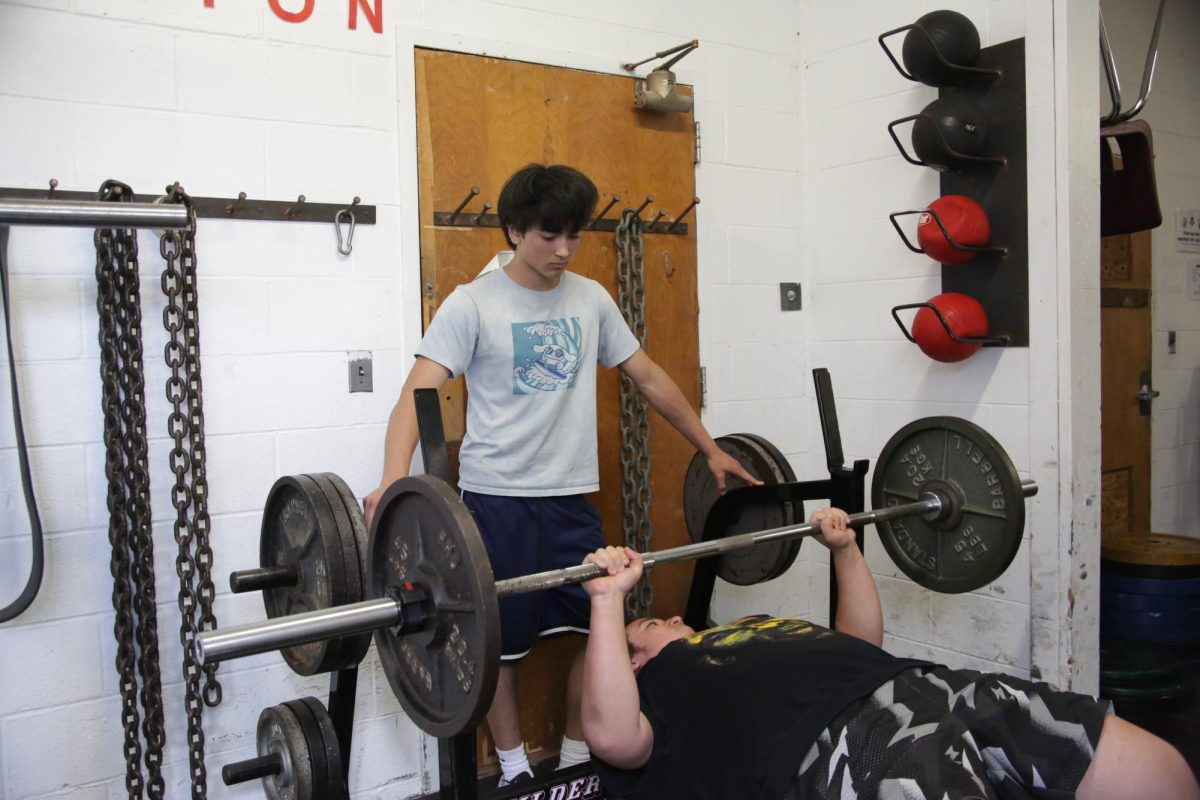
Both Mikulsky and Crowe recommend a multitude of things to prevent injury, like proper sleep and nutrition, appropriate rest days, adequate recovery, and a balanced diet. Mikulsky also said, “In general, all athletes should have a basic dynamic warm-up, a core exercise protocol that includes abdominal work plus hip and glute strengthening, and a basic total body strengthening program.”