


This Election Day, November 4, voters across the United States cast their ballots in what some political analysts have called a “Democratic sweep.” Democrats scored major victories nationwide, signaling a shift in public opinion and priorities. But beyond the excitement, what does this mean for Americans, and how are students at Haldane reacting?
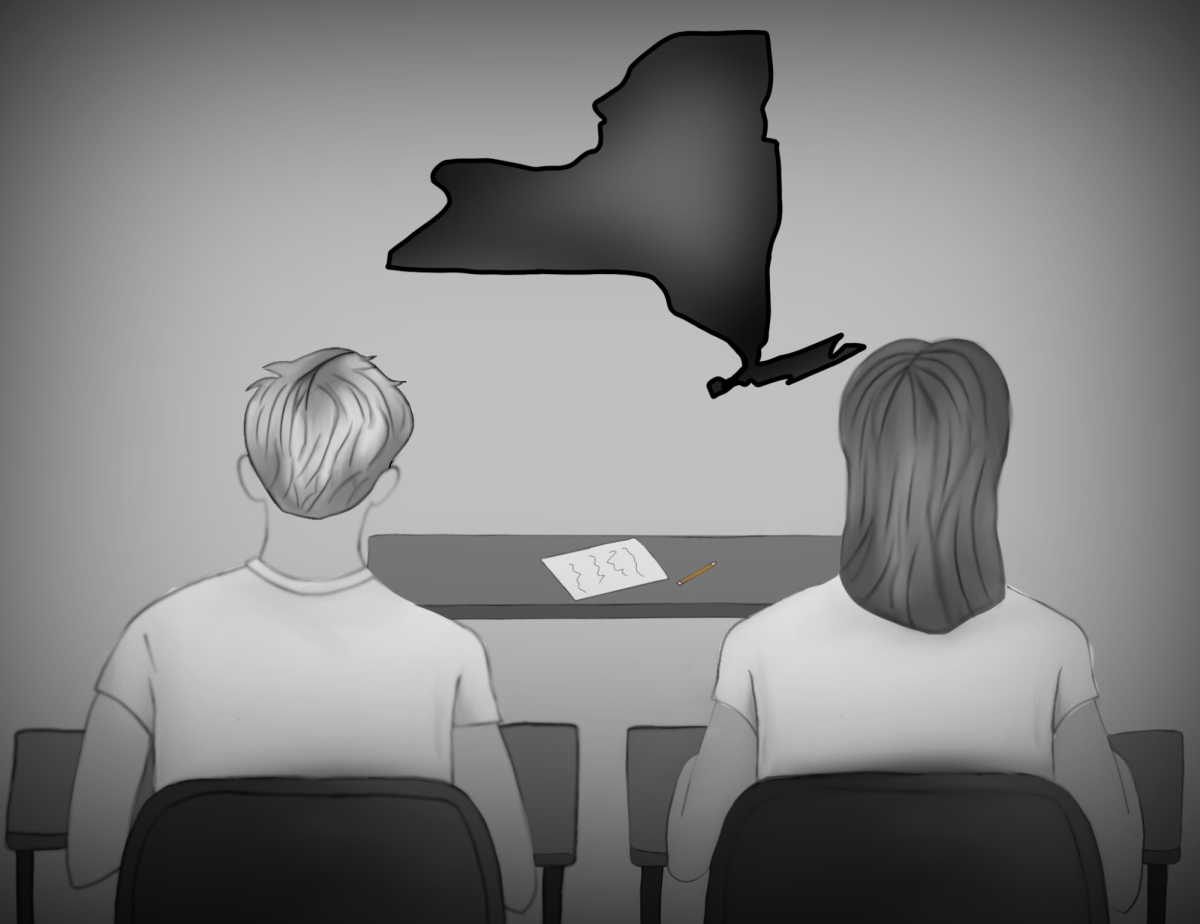
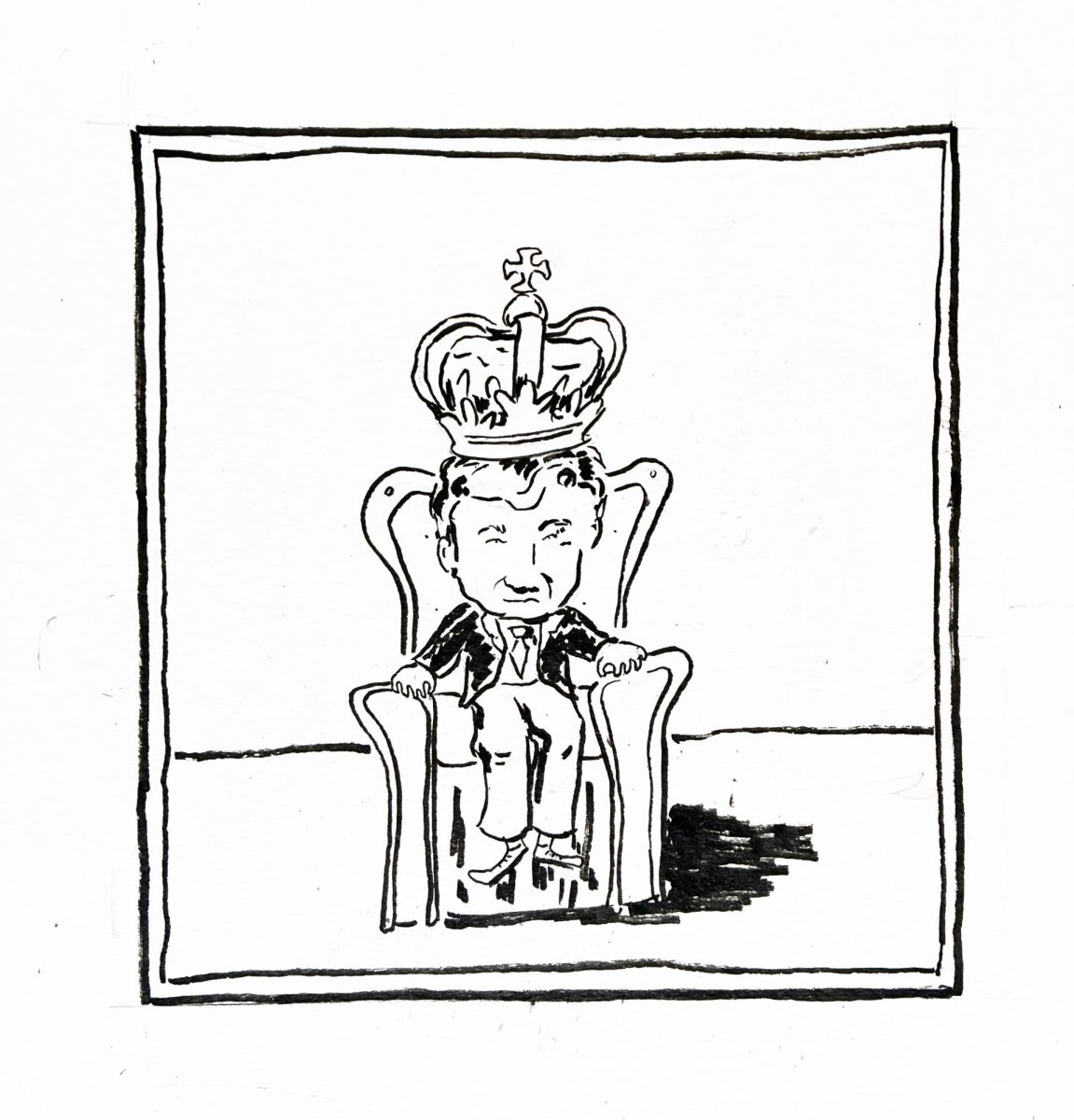
Across the nation, several election results emerged. Democrat Abigail Spanberger secured a win in Virginia, replacing Republican Glenn Youngkin. New Jersey’s gubernatorial race saw Democrats maintain their hold, electing Mikie Sherrill. Meanwhile, New York City elected Democratic Socialist Zohran Mamdani as mayor, signaling new priorities focused on economic and social ease of living.
While the national and statewide results were Democrat-dominated, the local races in Putnam County were a reflection of the county’s typical Republican lean. In the races for County Legislator, for example, Republican Jake D’Angelo won. This local trend was also seen in town-level races, such as in Carmel, where Republican Michael Cazzari was victorious in the Supervisor race. The mixed results, a national Democratic wave contrasted with a Republican hold locally, demonstrate how local priorities and voting patterns differ from broader statewide and national political trends.
The sweep is significant because it reflects the issues Americans currently want to see addressed. Affordable housing, climate action, access to quality education, public safety, and economic stability emerged as themes in races across the country. These issues resonated with voters of all ages, demonstrating a desire for leaders who focus on challenges affecting communities.
Some young Americans felt the election outcomes signaled a shift more significant than the usual midterm swing to the minority party. Una Lentz, a Haldane junior, said, “I believe the election results this November and the Democratic shift were interesting but expected, as many voters tend to support the opposing party during a president’s term. One event that stood out to me was Zohran Mamdani’s victory as New York City’s mayor, marking him as the first Muslim leader of such an influential city.” Lentz continued, “I’m excited to see what he accomplishes, especially regarding the cost of living and rising homelessness. I have faith that his ambitious, thoughtful plans, like state-funded grocery stores and free buses, will bring meaningful change and help ensure that younger generations have their voices heard in government.”
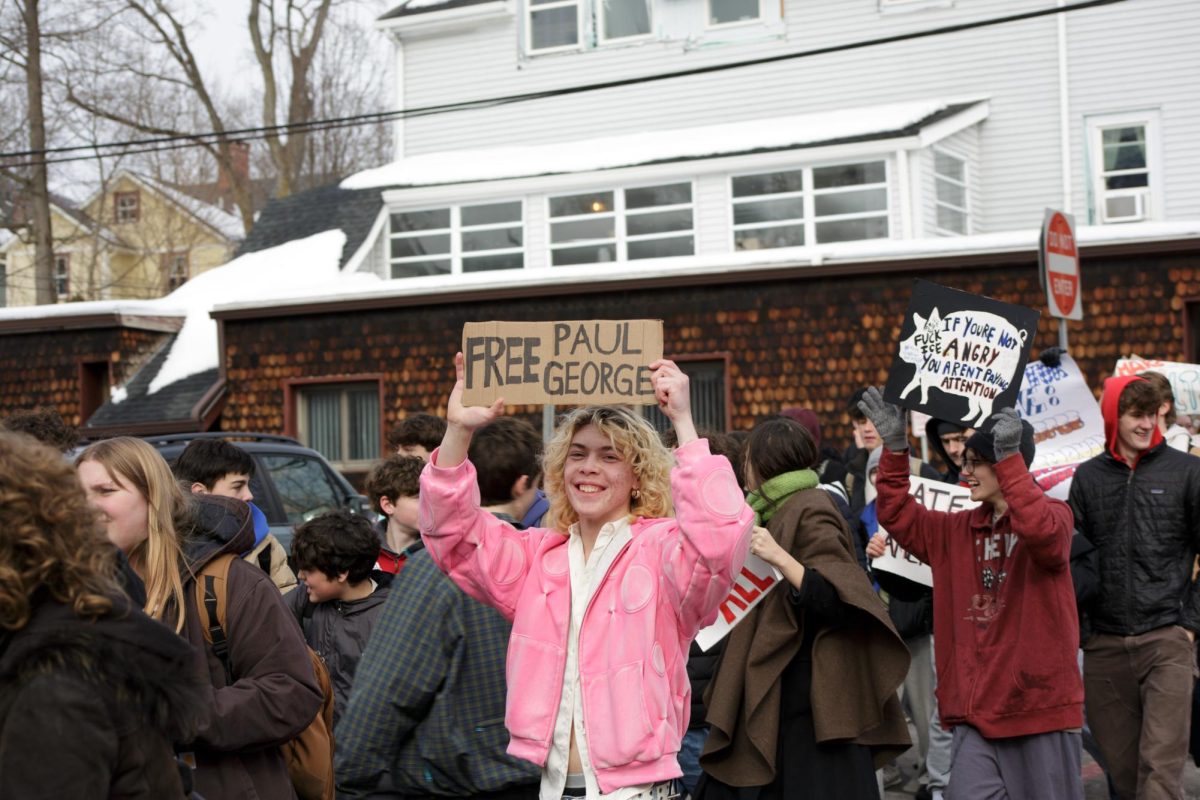
Edie Weintraub-Danovitz, a member of Stand Up NY-17 in Cold Spring, a local Democratic advocacy coalition focused on unseating US House Representative Mike Lawler, a Republican, emphasized the broader importance of youth involvement in bringing change: “Getting involved in politics is the ultimate way to have control, as politicians literally decide what’s taught in school, what’s served for school lunch, and even how many students are in each class. Even if you’re not old enough to vote or run for office, local politicians listen when students take action on issues like climate change or gun control, because high schoolers have the power, persistence, and ability to make the change they want!”
Some educators saw the sweep as a teaching opportunity about the power of civic engagement. Haldane’s Advanced Placement U.S. History teacher Jackie McGrath explained, “It’s important for students to understand the outcome of these elections because they are the future voting bloc, and what happens now can have long-term impacts economically and civically. No matter your political perspective, it’s crucial to hold elected officials accountable for the promises they make, whether it’s about taxes, safety, or privacy. If you don’t like how things are going, get involved by voting, volunteering, and staying informed.”