



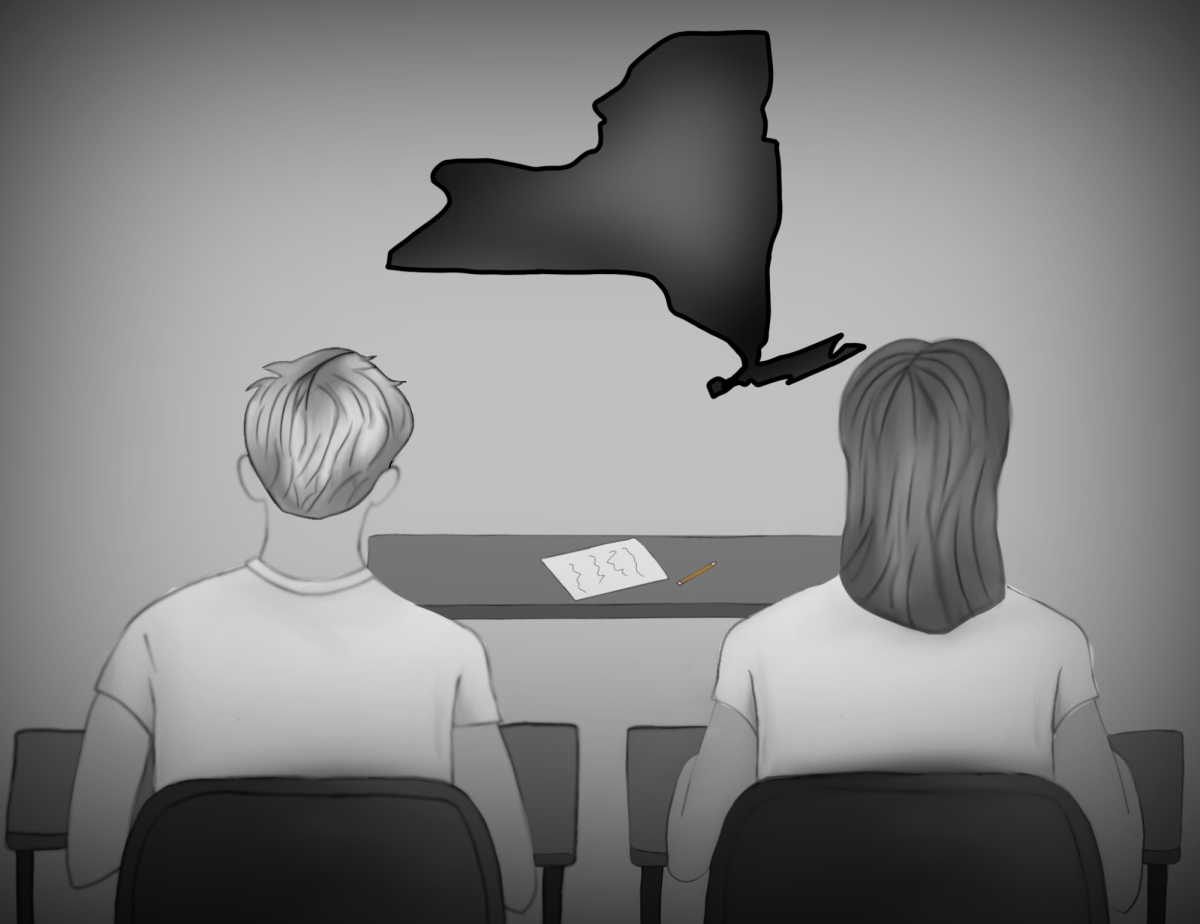
In the next two years, Regents history exams might become a part of history. In November of 2024, the New York State Board of Regents announced “NY Inspire,” their plan to reimagine public education. Their goal is to take a more holistic and equitable approach to public schooling, mainly by getting rid of the requirement that students must pass at least four Regents exams to graduate high school. “NY Inspire” will go into effect starting in the fall of 2027, so the first grade that will be affected is the current sophomores.
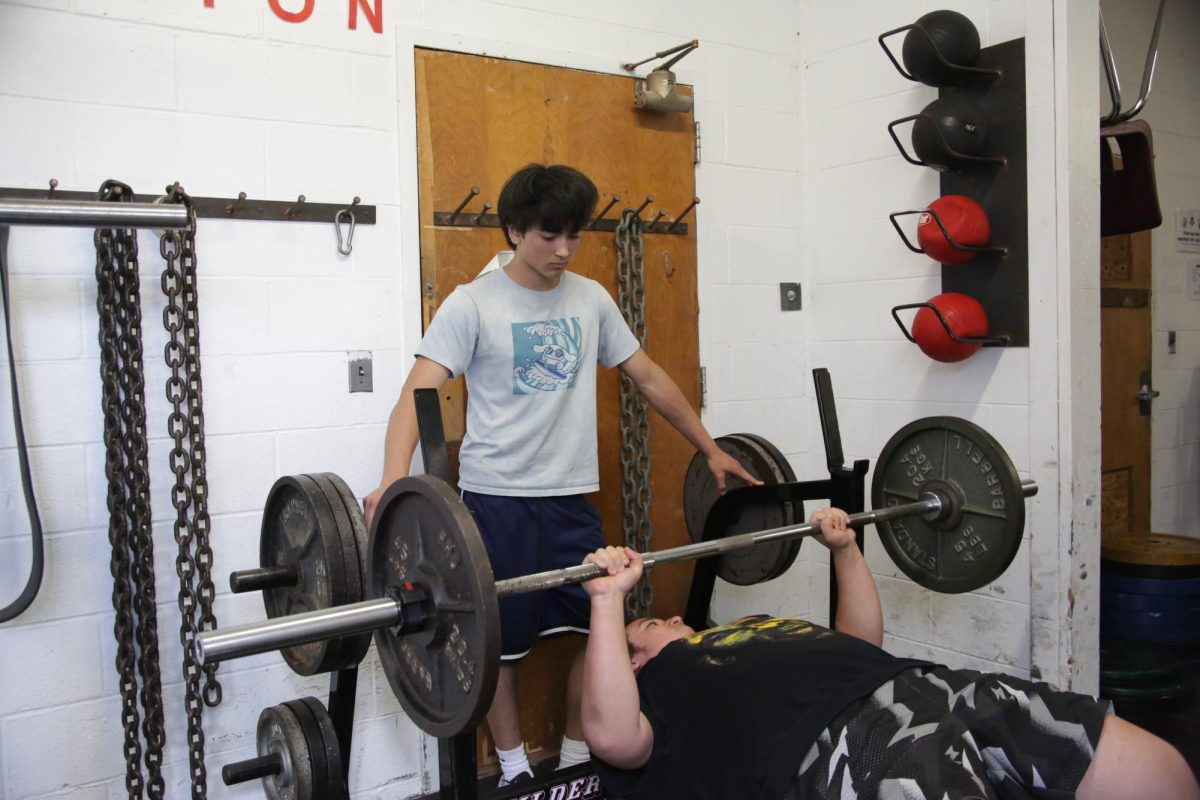
However, students may have noticed that Haldane has already started to pull away from the Regents exams. This year, for the first time, students taking AP World History had the option to not take the Global History Regents Exam. “I feel very relieved to be freed from the Global History Regents this year, as the workload for AP World is already so taxing without adding another completely differently structured test to the to-do list,” sophomore Silvia Hardman said. “I’m happy because it places less stress on the end of the year,” sophomore Leo O’Neil said, “We get to do a project for our Seal of Civic Readiness, instead of a standardized test that doesn’t align with the AP World curriculum.”
This change at Haldane was independent of the state-wide changes. “The curriculum of AP World doesn’t really align with the Regents exam, and so we were thinking, is it really necessary that the AP World kids take the Regents when they’re already taking a summative exam in May?” High School Principal Julia Sniffen said, “And most of our students have Algebra, Geometry, English, and Earth Science or Chemistry, so they’re already above what they need.”
“NY Inspire” will further decrease Haldane’s emphasi s on Regents exams . Students will likely still be required to take some English, science, and math Regents exams because federal law, specifically the Every Student Succeeds Act, requires each state to “implement a set of high-quality student academic assessments in mathematics, reading or language arts, and science.” However, the history Regents exams will likely not be required.
While the exams are being phased out, the standardized Regents course curricula will remain the same. Students will still need 22 Regents credits to graduate, and what they learn in class won’t change. Without the need to review in class for the Regents, teachers will have more time at the end of the year, which they can spend on final projects or studying for in-class final exams.
Students have mixed opinions about this change. Some are resistant to it: “I would rather take the Regents than a teacher’s final because teachers can make their finals harder or easier than others,” freshman Natalie Taylor said, “A final just shows up as a number in the grade book, but colleges aren’t going to know if it was really hard or not; they just see the grade. The state-wide standardized tests are good because they provide the same test to all.”
Other students look forward to the change. “I personally would prefer a test my teacher comes up with rather than a standardized Regents exam,” freshman Nomie Karetny said, “If a teacher makes the exam, they can prepare their students better for it and make sure it includes everything they have taught and what their students are capable of, rather than generalizing what students should know.” Sophomore Jupiter Hutchison agreed: “I think it makes more sense for teachers to make their own finals because it’s mirrored in all of their tests throughout the year, so the students are really prepared for what the final will look like.”
In the absence of Regents exams, the Board of Regents will adopt its “Portrait of a Graduate,” which is a list of skills that students need to have to graduate high school. The Board of Regents’ “Portrait of a Graduate” aligns well with Haldane’s own “Portrait of a Graduate”, which was adopted independently in 2020. They both list skills like problem solving, critical thinking, emotional intelligence, and communication.
However, without exams, there is uncertainty about how schools will ensure that their students have those skills before they graduate. “You’re still going to want a form of assessing what students know, whether it’s a final exam, research, a presentation, or a project,” Sniffen said. “But we just have more local control of what that looks like.”