


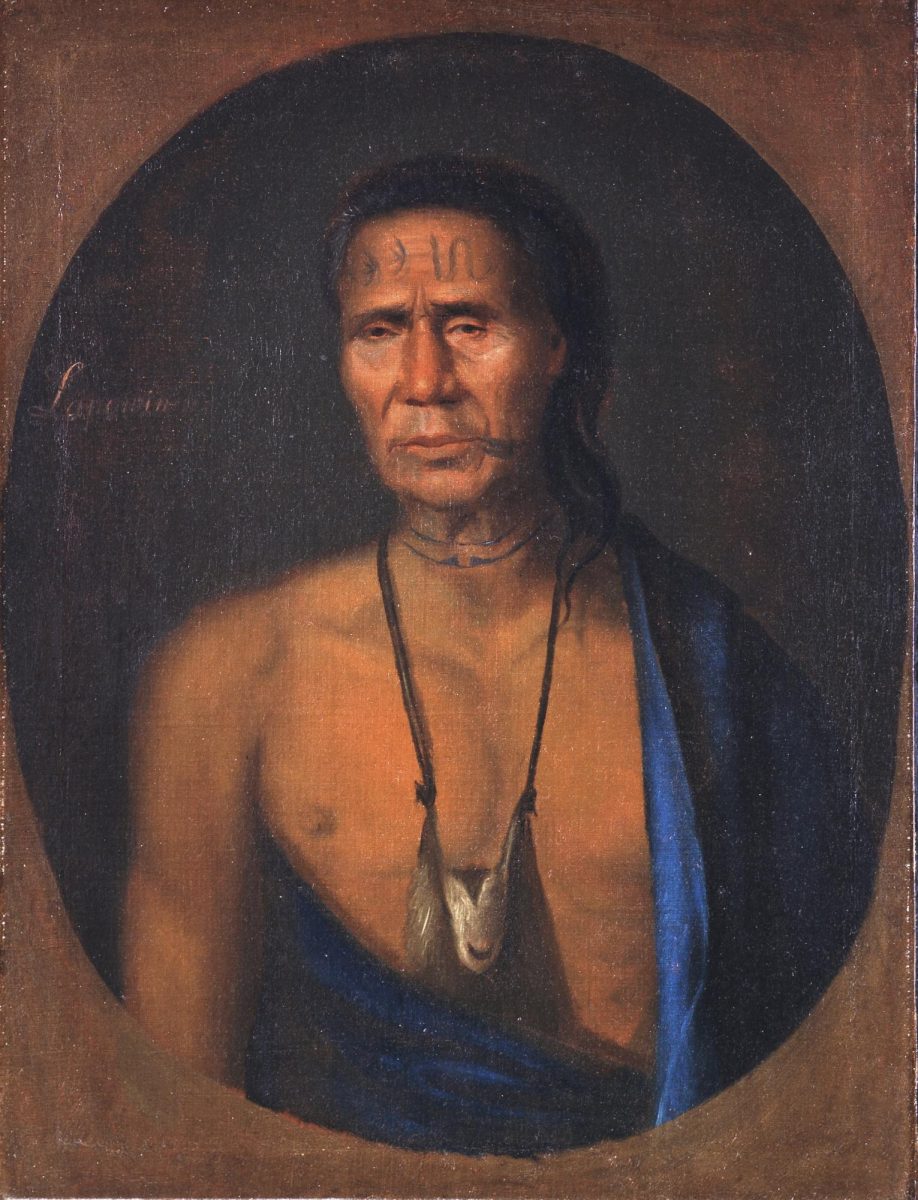
Although on the surface, Cold Spring appears to be a town full of locals, tourists from New York City, and a seemingly endless number of antique shops, beneath that level lies a rich history of indigenous people that often goes overlooked. Similar to how we still depend on the Hudson River for commerce today, according to the Cold Spring Resource Guide, the river was once a lifeline for these people. They depended on it not only for food but also as a vital trade source with other tribes, like the Mahicans and Lenapes. Early Native people — until their decline in the late 1600s — thrived in this area.
The introduction of European diseases, such as smallpox, and battles against colonizers nearly destroyed the native communities that inhabited Cold Spring. According to the 2020 census, only around 5,500 people in Putnam, Dutchess, and Orange County identify as Native American, a small fraction of these county’s 810,000 total residents.
According to The Highlands Current “Then and Now” article by Micheal Turton, a small number of Indigenous people live in Cold Spring, yet Native American culture used to be vibrant. Native people used to operate a ferry system to cross the Hudson — canoeing would take people across the river in exchange for wam- pum, a form of beaded currency, or similar goods.
In the present day, most can recognize Route 9, a common road used to exit Cold Spring. For the people who once lived here, it was the Mohican Trail, an important trading route. Cold Spring itself used to house a decently sized village of people, with places like Little Stony Point possibly used for spiritual events.
Some Haldane teachers are taking it into their own hands to educate the younger generations on the importance of Native Americans in Cold Spring. Michelle Hartford , a fourth grade teacher said, “Students are highly eager to learn about Native American culture. Through authentic learning units, field trips, and teacher-led lessons, students can better understand the lasting impact of Native peoples by exploring their contributions, resilience, and influence on history and society today.”
Carolyn Llewellyn, a joint library and garden teacher at Haldane Elementary, teaches her students about Native American agricultural methods such as The Three Sisters — beans, corn, squash — and much more. Llewellyn said, “All [elementary] grade levels learn about The Three Sisters growing methods and traditions during our informal walks in the library/garden class. [They] also read picture books by native authors a few times throughout the year, including during Native American Heritage Month in November.”
In the past, Native voices were often silenced by colonizers. Haldane faculty members such as Llewellyn are working to combat this and bring more attention to Native people, especially writers and illustrators. She said, “There has been a deliberate move to acquire more books by native authors.” Llewellyn continued, “Until a few years ago, the Haldane Elementary library had well over 100 books about Native Americans, with barely any by native authors. The non-fiction titles are being steadily updated, with dozens of new titles replacing outdated resources.” With these new literary introductions, Haldane hopes to not only educate students on Native Americans but also honor them and the contributions they have made to our modern society.