


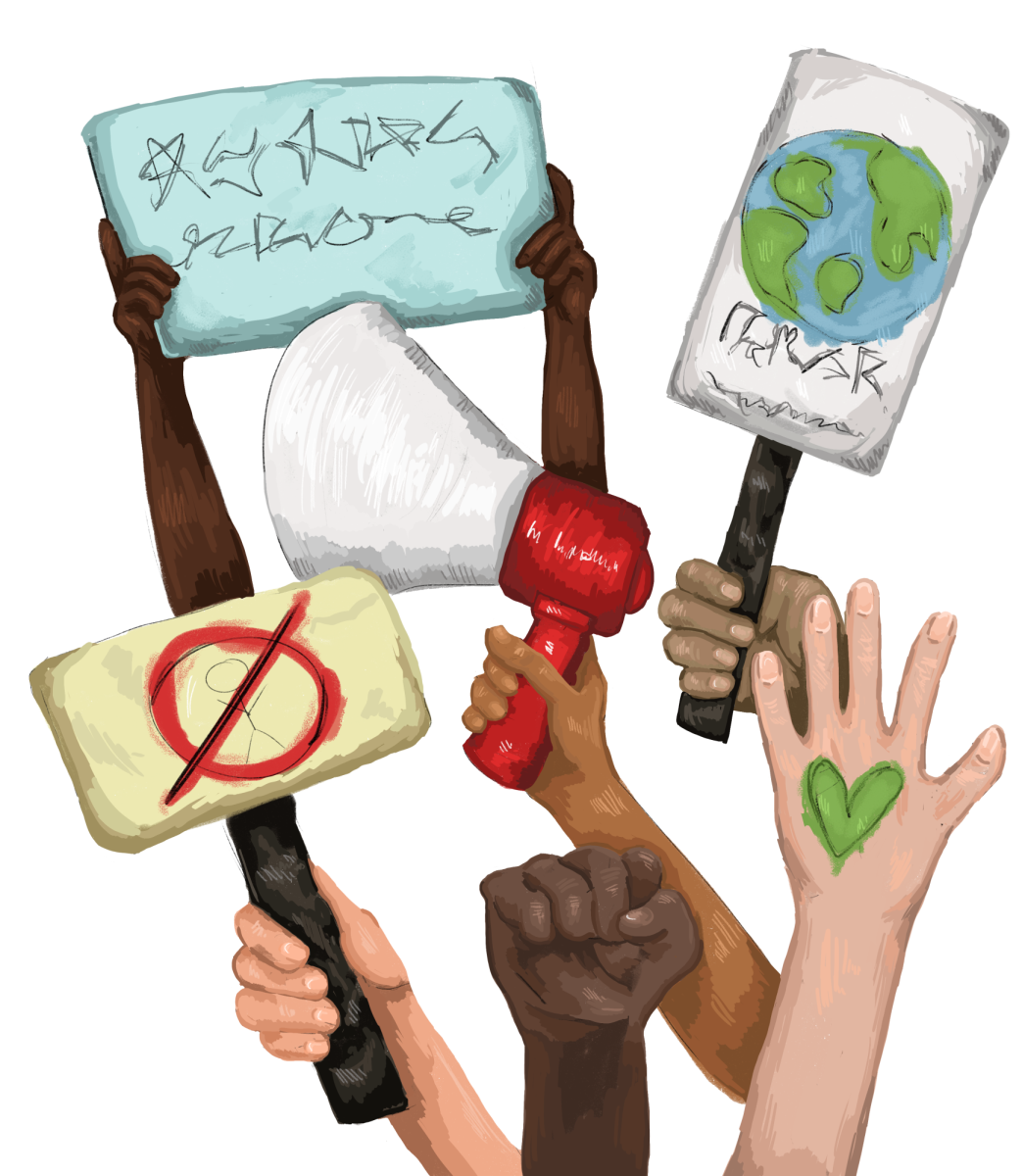
Civic engagement is a focus for students at Haldane: It is integrated into the curriculum throughout their four years at the high school.
“We try to focus on civil discourse and giving students the tools to have a little bit of disagreement,” Social Studies Teacher Kaitlyn Secor said. For example, Secor uses “four corner activities” in her AP US Government and Politics class, where students are given a position statement and then move to a corner of the room that corresponds with their response: agree, disagree, strongly agree, or strongly disagree. Secor also cited other teachers’ use of Socratic seminars to create environments where disagreements have a venue to be discussed.
“We try to focus on civil discourse and giving students the tools to have a little bit of disagreement.”
Kaitlyn Secor, Social Studies Teacher
Secor said that she feels that these kinds of conversations are vital because “in order for our democracy to flourish, we have to participate.” She explained, “I think teaching students is imperative. We’re fostering the skills that are necessary for critical thinking and problem solving so that they can make their communities better, at the local level and state level, and then ultimately at the federal level. I think it all stems from fostering civic participation in the classroom.”
As the Model UN club advisor, Secor also sees students outside of the classroom engage in their community. “They’re taking on the role of these different countries that have diverse perspectives and that are different stakeholders in a given scenario. And so I think taking the time to learn about those different perspectives is really valuable, and it gets them out of the shell that they might be living in here in this relatively small community,” Secor said.
Model UN isn’t the only club that promotes civic engagement at Haldane. Senior Dylan Ambrose founded the Haldane branch of the Amnesty International club, an organization of over 10 million people who, according to their website, “are committed to creating a future where human rights are enjoyed by everyone.”
Haldane’s Amnesty International branch takes action by encouraging students to sign petitions and write letters of support for people throughout the country who have been unjustly prosecuted or silenced. “I think that it’s really important that we as a society stay informed about human rights and the injustices that are happening, not only all around the world but also right in front of us,” Ambrose said.
Since its founding in February 2025, Haldane’s Amnesty International club has created more than 10 petitions that have accrued a combined total of over 1000 signatures. Ambrose reinforced that students’ actions are vital. “Civic engagement is especially important for young people and students because we are the future, and if we stay involved and put pressure on institutions to make a change – even if it’s small – it’ll start to make a bigger impact and benefit all of our futures,” she said.
Ambrose recommended that students who are interested in further exploring civic engagement should consider interning for an elected official or volunteering with other organizations within the town.
School-affiliated organizations aren’t the only way to get involved in the community. One option many Haldane students are drawn to is the Putnam County Youth Court program. The program focuses on educating students about the criminal justice system in order to promote civic engagement and reduce juvenile delinquency. “Youth Court is based on the principle of restorative justice, so I think that goes hand in hand with civics. Because the pillars of restorative justice are about community, it’s about responsibility and accountability,” American Youth Program Specialist Evan Delfs said.
Students who complete the 10-week Youth Court training program serve real roles in certain criminal cases and can determine the sentencing for first time youth offenders. Delfs has seen firsthand how Youth Court can help members and defendants. “We’ve had a few defendants, we can’t use their names, who have come through the program, and they go on to earn awards for service to the community. So, the Youth Court was a launching pad for them,” Delfs said. One student’s growth in particular stood out: “He was trespassing and breaking and entering, and then through the process, he became a Youth Court member, and through what he learned as a defendant, and as a member, he went on to help food pantries,” Delfs said.
Many high schoolers also participate in other community engagement activities besides Youth Court. For example, junior Jaiden Gunther is a member of Scouting America and is in the latter stages of his Eagle Scout project, a community service initiative that is necessary in order to become an Eagle Scout, the highest rank in scouting. He plans to construct a mountain bike repair station near the schoolhouse road trail at Hubbard Lodge in order to increase the quality of life of mountain bikers in the area, combining his passion for mountain biking with the service-based actions that the Scouts encourage.
According to Gunther, Scouts is “More than tying knots and going on campouts.” It “inspires leadership.” Gunther, who has been involved in the Scouting program since he was four, has served as a Senior Patrol Leader for his troop. He was involved in a “servant leadership position,” where he focused on “leading by example.”
“Scouts is about more than tying knots and going on campouts.”
Jaiden Gunther, junior
Through merit badge requirements, food drives, and trail clean-ups, the Scouts “encouraged me to engage with my community a little bit more than I would have otherwise,” Gunther said.
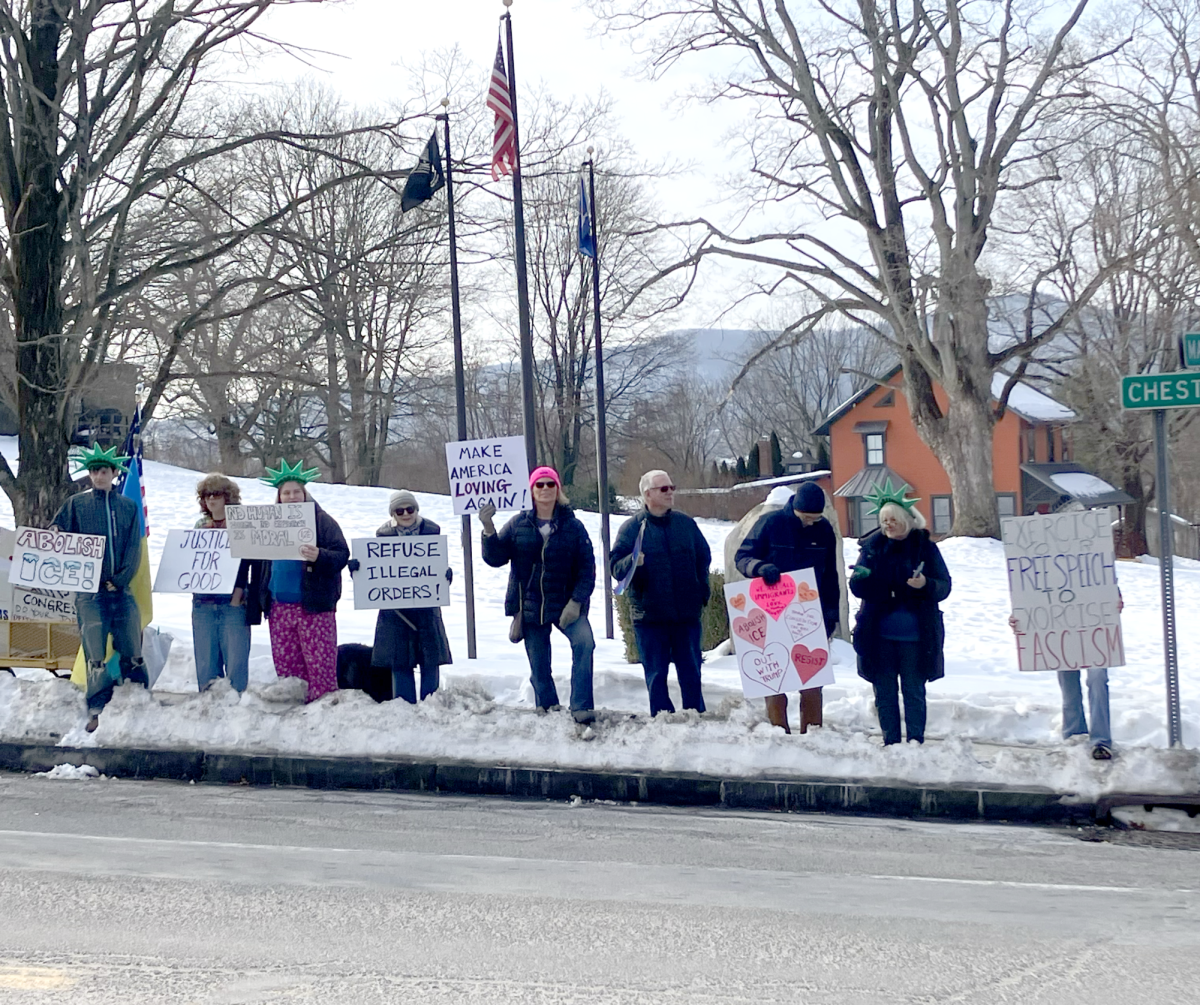
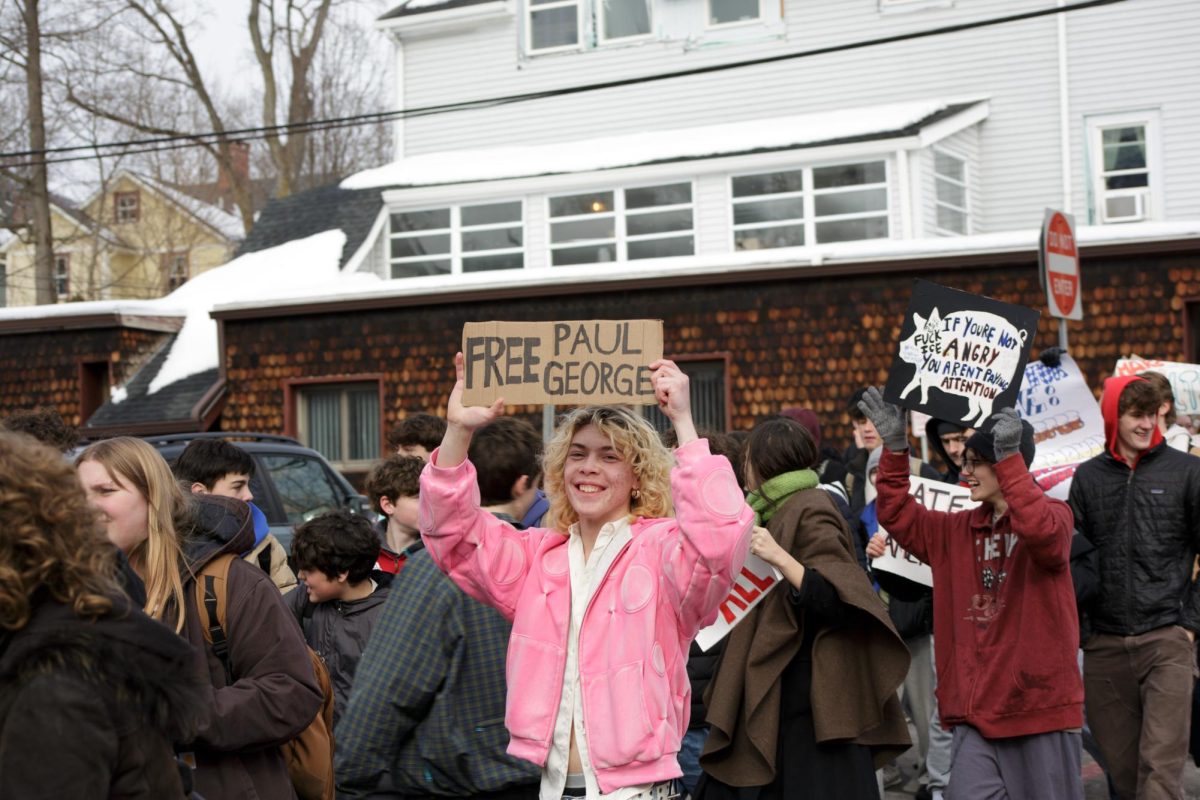
Whether it be during the school day, through clubs and extracurriculars, or through organizations not affiliated with the school , opportunities for civic engagement surround students and are vital to enacting change in the community . “We need to hold our elected representatives accountable and ensure that they remember they serve the people and should be creating legislation in favor of their constituents. By being involved, we can create a stronger community that actually addresses issues and creates sustainable solutions. We strengthen our democracy by getting involved, and I would encourage everyone, no matter what political stance you hold, to be aware of what’s happening in our world and take actions to address issues you feel passionate about,” Ambrose said.