


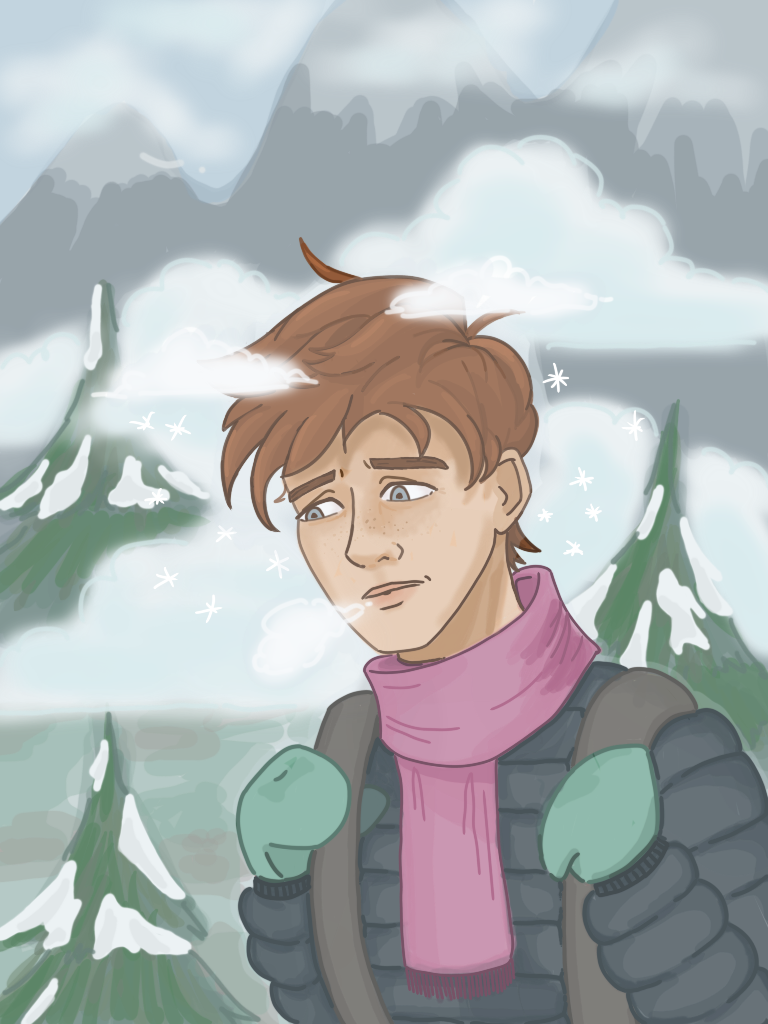
Cold Spring winters consist of below-freezing temperatures, school-closing blizzards, and sunrises that occur after school begins. Each year, these blistering conditions amplify the stress and fatigue of Haldane students.
This may be due to Seasonal Affective Disorder, which is a form of depression that occurs in a cyclical pattern, typically emerging during the fall and winter months when daylight hours diminish. The Mayo Clinic characterizes it as “a type of depression that’s related to changes in seasons,” and for many individuals, symptoms begin as days grow shorter.
This disorder can manifest in both minor and major forms and is common among teenagers. As the Cleveland Clinic states, high school students commonly experience “a mild version of SAD known as the ‘winter blues’.” For students, any form of SAD can be challenging, as it influences not only emotional well-being but also energy levels and academic performance.
SAD especially affects Haldane students because Cold Spring expeences particularly long winters, with below-freezing days in April being a regular occurrence. As sophomore Alice Stevenson remarked, “I feel like in the winter everyone feels a little more gloomy just because sunlight is really important for one’s mood. Especially in February, March, and April when the winter seems to be dragging along, everyone just wants spring!”
A primary contributing factor to SAD is reduced exposure to sunlight. Shorter days can disrupt the body’s internal clock, or circadian rhythm, which regulates sleep-wake cycles and mood. According to the National Institute of Mental Health, decreased sunlight can also alter levels of key neurochemicals such as serotonin, which is associated with mood regulation, and melatonin, a hormone that governs sleep patterns. Wintertime gloom can lead students to experience persistent fatigue, difficulty waking, and a general sense of low mood without an obvious cause. “The weather in the morning destroys my mood,” said junior Rhys Williams. Senior Vivian Eannacony concurred: “I definitely struggle with feeling motivated to get out of bed and start my day during winter months, especially compared to spring and fall seasons.”
These symptoms can significantly interfere with academic functioning. Students may struggle to participate in class, or, as junior Plum Severs said, feel “less willing to concentrate on work.” Even when they remain invested in their academic success, it may still be difficult to summon the motivation required to complete assignments and remain active students and community members. Tasks that would otherwise seem manageable can feel disproportionately overwhelming, often leading to procrastination or incomplete work. This, in turn, can create a cycle of increased stress and diminished performance.
Beyond academics, SAD can also affect social engagement and relationships. Students may withdraw from social activities or lose interest in hobbies they previously enjoyed, contributing to feelings of isolation. This withdrawal can further exacerbate depressive symptoms, reinforcing a sense of disconnection.
Despite these challenges, according to the Mayo Clinic, there are effective strategies for managing and preventing SAD. Increasing exposure to natural light (such as spending time outdoors during daylight hours) can be beneficial. Light therapy, which involves sitting near a specialized light box, is another commonly used intervention. Maintaining a consistent daily routine, particularly with prioritization of sleep, can also help stabilize mood. Additionally, regular physical activity and balanced nutrition play supportive roles, even though maintaining these habits may be difficult. When symptoms of SAD become evident or overwhelming, seeking support from a counselor or a trusted adult is advised.
Haldane High School’s social worker Scott Many summarized the value of such coping mechanisms: “I recommend to go outside, get some sun, exercise, and in more severe cases of SAD, use vitamin D lamps.” Many continued, “I think students should try to reconnect with what they’ve lost during this season, like sports or activities, and if they can’t, how can it be replicated?”
SAD ranges from minor seasonal discomfort to a clinically recognized condition that can affect students’ academic performance, motivation, and relationships. By using tactics that combat serious seasonal disorders like SAD, students can successfully ameliorate milder stressors and strains. Though the winter season presents notable challenges, appropriate strategies and support systems can help students manage its effects and navigate the school year.